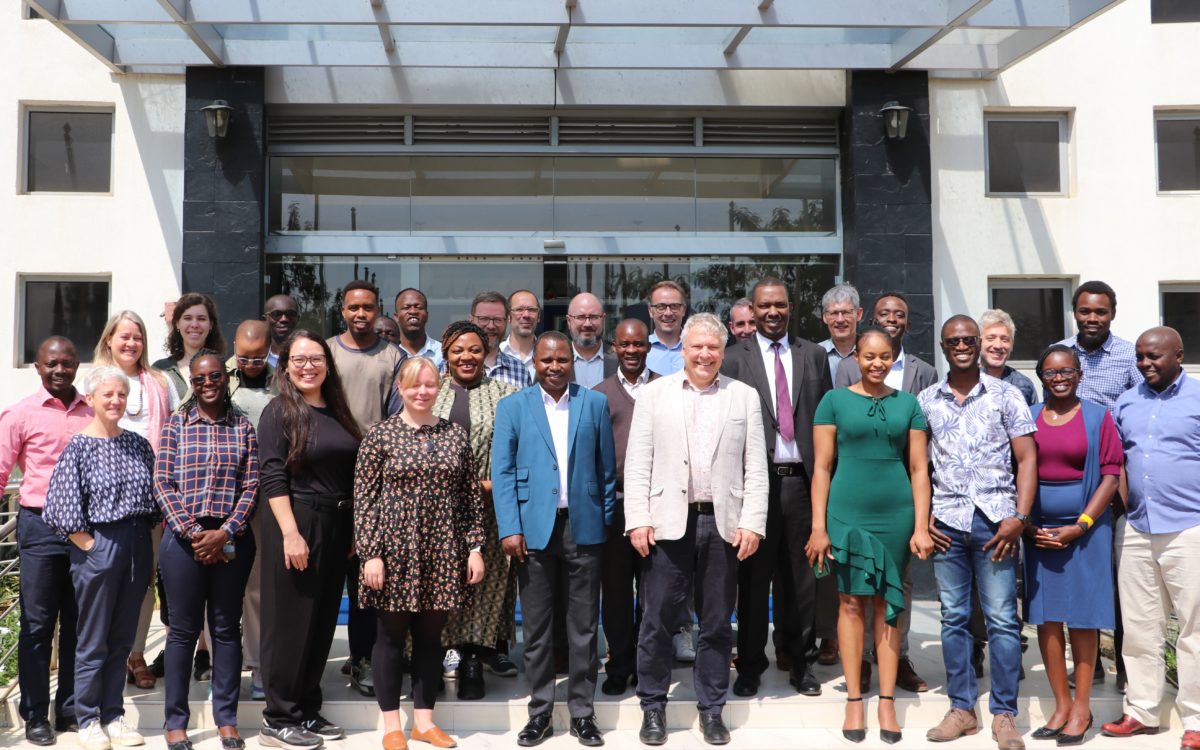
New white paper charts a path to data-driven climate solutions for Africa

ICOS ERIC and collaborators have published a white paper outlining the findings and recommendations from the KADI project, a pan-African initiative co-designing the climate research infrastructure Africa urgently needs.

Africa is on the front lines of climate change. Droughts in the Horn of Africa, floods in West and East African cities, rising sea levels threatening coastal communities in Senegal and Mozambique – the impacts are severe, and they are accelerating. Yet the continent contributes minimally to the global greenhouse gas emissions driving these changes. Addressing this injustice requires robust, Africa-led climate action grounded in reliable data and inclusive services.

That is the challenge at the heart of KADI, Knowledge and Climate Services from an African Observation and Data Infrastructure, an EU-funded project coordinated by ICOS ERIC and carried out in partnership with African institutions, scientists, and communities. For three years (2023-2025) the KADI project laid the groundwork for Africa’s climate resilience by strengthening observation networks, improving data access and fostering knowledge exchange. The project’s findings are now published in a new white paper, Co-Creating Data-Driven Climate Solutions for Africa.

A Continent-Wide Knowledge Infrastructure

The KADI white paper makes the case for a pan-African Research and Knowledge Infrastructure that goes beyond fragmented, project-by-project approaches. Effective climate action in Africa, the authors argue, demands coordinated data systems, interoperable observation networks spanning local to continental scales, and climate services that are genuinely co-created with the communities they are meant to serve.

“Climate resilience in Africa depends on more than just data,” says Theresia Bilola, KADI project manager.  It relies on a shared, trusted infrastructure that can transform data into practical solutions quickly enough to meet the needs of communities and decision-makers. KADI was built with the African context from the outset, engaging with existing initiatives and policy processes and a strong bearing on continuous knowledge exchange rather than prescriptive, one-off interventions.”

One of the clear bottlenecks identified in the white paper were data gaps. Africa currently lacks sufficient ground-based monitoring stations, and institutional fragmentation, limited funding, and coordination challenges obstruct data sharing and integration. Bridging these gaps requires investment not only in physical infrastructure, but in people, particularly young African scientists who can operate monitoring systems, analyse data, and develop locally relevant climate services.

Co-Creation at the Core

A defining feature of the KADI approach is its insistence that climate services must be demand-driven and co-created. This means bringing together scientists, local communities, city councils, civil society, and policymakers from the very start – from setting research priorities and collecting data through to delivering actionable knowledge.

The white paper highlights concrete pilots that tested this approach in practice. In urban climate observation, low-cost sensors were combined with community knowledge to address data gaps at a city scale. The Resilience Academy model, piloted in one of KADI’s partner cities, demonstrated how universities, practitioners, and communities can work together to equip young professionals with practical, field-based climate skills. These examples show that inclusive co-creation is not just an aspiration, it is achievable.

Four Priorities for Action

The white paper closes with a clear call to move from knowledge to action, structured around four priorities:

  1. Changing the research and knowledge mindset: embedding participatory, cross-cultural approaches that respect local and indigenous knowledge alongside scientific data.
  2. Collaboration: fostering multidisciplinary, cross-sector partnerships, aligned with governance frameworks such as the WMO National Framework for Climate Services.
  3. Long-term sustainable investments: securing financing beyond individual project cycles through innovative multi-stakeholder funding that combines governments, donors, philanthropy, and the private sector.
  4. Anticipating the future: building Africa’s capacity to model and forecast climate change decades ahead, powered by improved observational data and digital infrastructure.

“KADI’s legacy lies in the institutions, people and networks that have become part of the Communities of Practice, carrying forward the vision for the research and knowledge infrastructure set out in KADI’s blueprint,” add’s Theresia. “Through its commitment to open science, investment in knowledge exchange and empowerment of young professionals, KADI has laid the groundwork for Africa’s research and knowledge infrastructure, owned, sustained and continuously improved from within the continent.”

The Road Ahead

The KADI project represents both a milestone and a launch pad. The white paper’s recommendations are directed at a broad audience – African and European policymakers, research funders, national meteorological services, regional bodies, and the private sector. Together, they are called upon to build climate research infrastructure that is owned on the African continent, grounded in open science, and designed to last.

The full white paper, Co-Creating Data-Driven Climate Solutions for Africa, is available here.

KADI project received funding from European Union’s Horizon Europe programme under grant agreement 101058525

Sharing knowledge and building community: Reflections from KADI cities

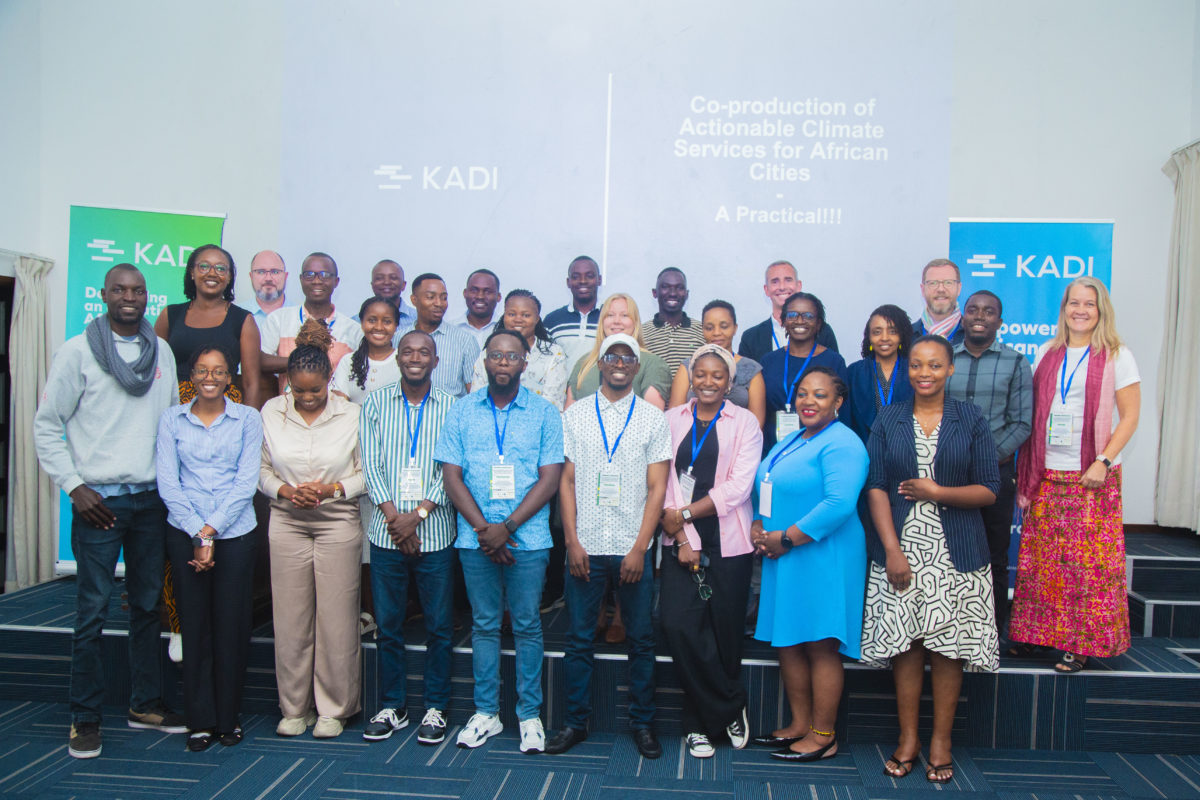
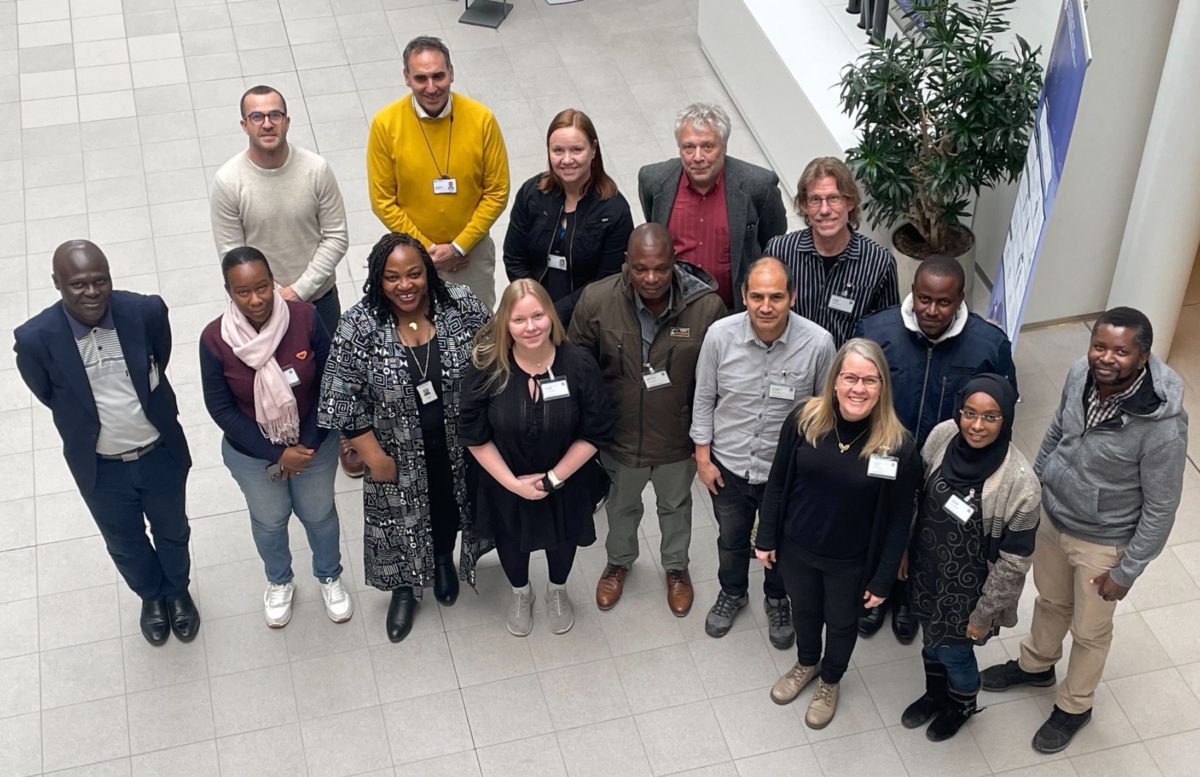
The final KADI knowledge-exchange workshop took place in Dar es Salaam, Tanzania, from 12th–15th August 2025, bringing together over 15 early-career scientists and PhD students from across Africa, along with local participants from Tanzania.

Framed as a hands-on training event, the workshop focused on open geospatial data, low-cost tools, and participatory approaches for urban climate services in Africa. Teams from the KADI city pilots in Abidjan, Nairobi, and Dar es Salaam led the workshop and shared their experiences through presentations, field visits, and practical exercises, while exchanging knowledge between the participants.

Highlights

  • Field immersion in Kigogo and Tandale: Participants engaged directly with community members in Dar es Salaam’s informal settlements, witnessing first-hand the challenges of flooding, heat stress, poor air quality and insufficient urban infrastructure and services. In addition, a low-cost participatory mapping solution for mapping thermal comfort was tested on-site.
  • Co-creating climate services: Through interactive group work, participants designed context-specific services for African cities, such as early warning systems. The co-creation simulation was run by the Kenya Meteorological Department team with a systematic approach from understanding the local context, mapping stakeholders, and conducting a rapid climate service design. 
  • Hands-on training: Practical sessions introduced open-source tools like PARTIMAP and QGIS analysis, enabling participants to design participatory surveys and analyze local participatory mapping data from KADI Dar es Salaam pilot on community members’ climate stressor experiences.
  • Networking and exchange: The workshop fostered connections among researchers and practitioners across Africa, strengthening the foundation for future collaborations.
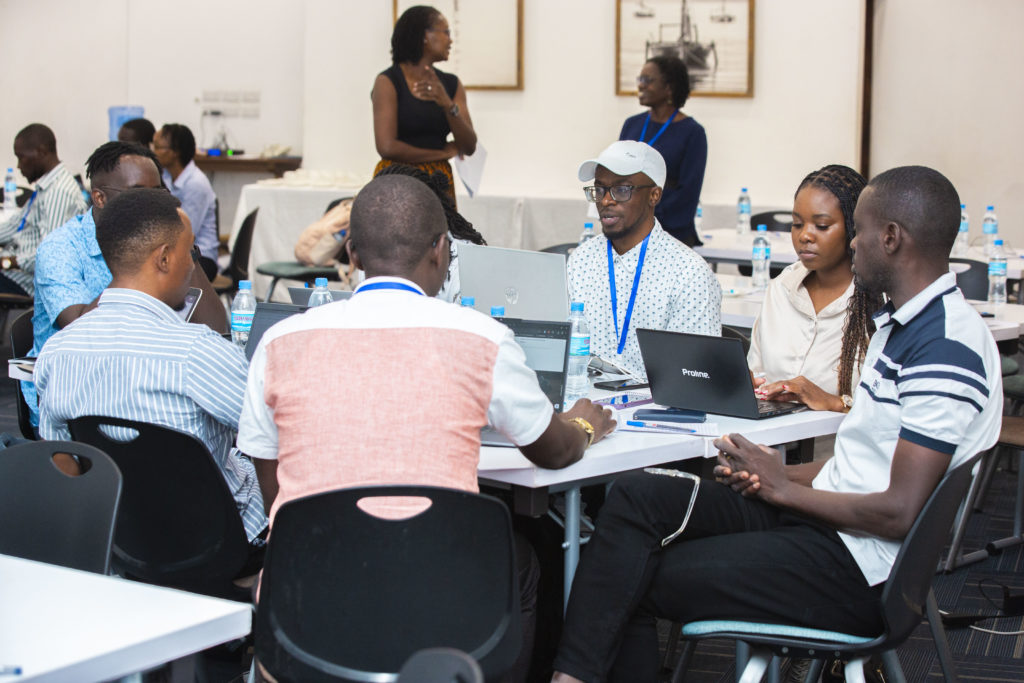
Rapid climate service co-creation simulation by Patricia Nying’uro and Christine Mahonga (Kenya Meteorological Department) urged workshop participants to tie their expertise from different backgrounds together. Photo: Godfrey Kassano

Day 1: Orientation at Ardhi University

Presentations introduced the KADI project, city pilot cases, and climate risks in urban Africa, click to the links below to access the presentation slides. Participants shared their own experiences, comments, and insightful views on orientation presentations. Most lively discussion was triggered by a presentation by one of the participants regarding their innovative, low-cost participatory mapping solution.

“The simple tools available to collect data are often more powerful than complex applications that take lots of time and expertise.”Patricia Mwangi, Kenyatta University

Day 2: Field visit

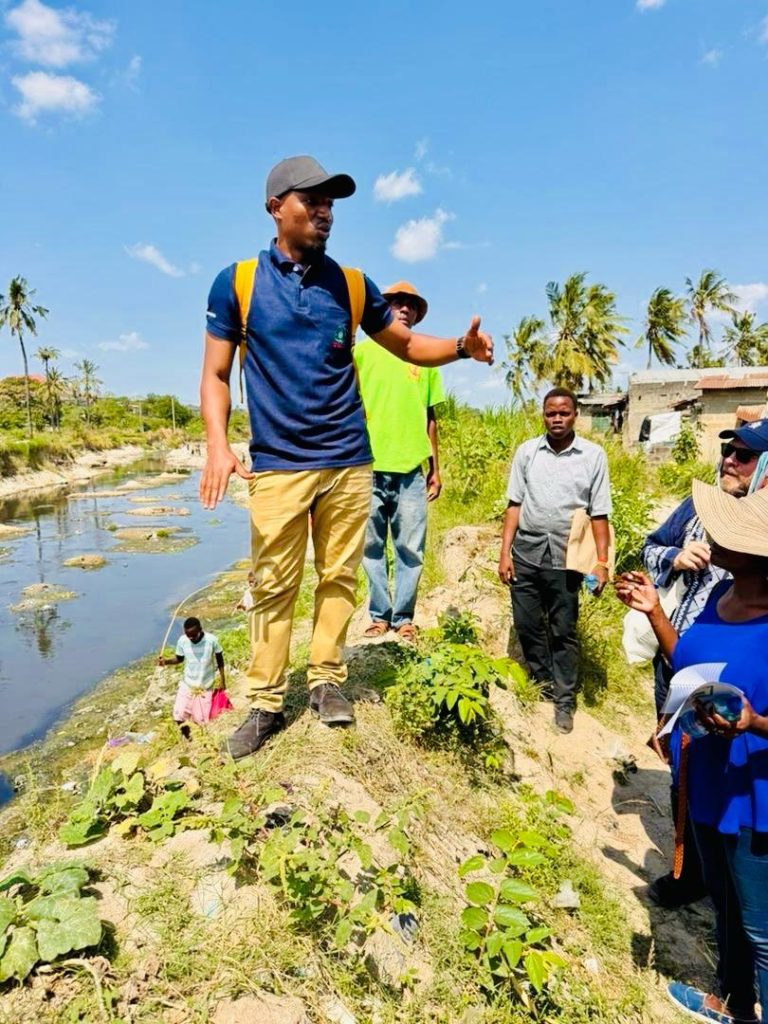
During a full-day walking tour in Tandale and Kigogo wards of Dar es Salaam, participants observed climate and urban fabric induced challenges, engaged with community members, and tested a participatory mapping solution in action. 

“Local people best understand how they are affected by floods and what solutions serve them most effectively.” Selma Ndeshimona Iilonga, University of Namibia

Visit to Tandale and Kigogo wards provided a sunny break from the office. With good walking shoes on, the day was full of conversations, sharing experiences, and building understanding on the realities of climate risk effects on urban communities. Photos: Handsome Bongani Nyoni

Day 3: Co-creation and stakeholder event

On day three, a design exercise on climate services highlighted the importance of engaging diverse actors. It was followed by KADI’s final stakeholder meeting and a social evening at barbeque dinner, music and dance.

“Citizen science plays a crucial role in shaping sustainable solutions.” – Fidele Mwizerwa, University of Rwanda

Day 4: Practical training and wrap-up

On the final day, participants built participatory mapping surveys, explored participatory data analysis with QGIS, and tested KADI’s research infrastructure blueprint before closing with certificates and reflections. Click here to access the participant mapping tool presentation

“I was inspired by practical sessions on mapping urban climate stressors, which demonstrated how technical tools can be adapted for community use.” Andrew Okello, MEARL Hub Afrika, Uganda

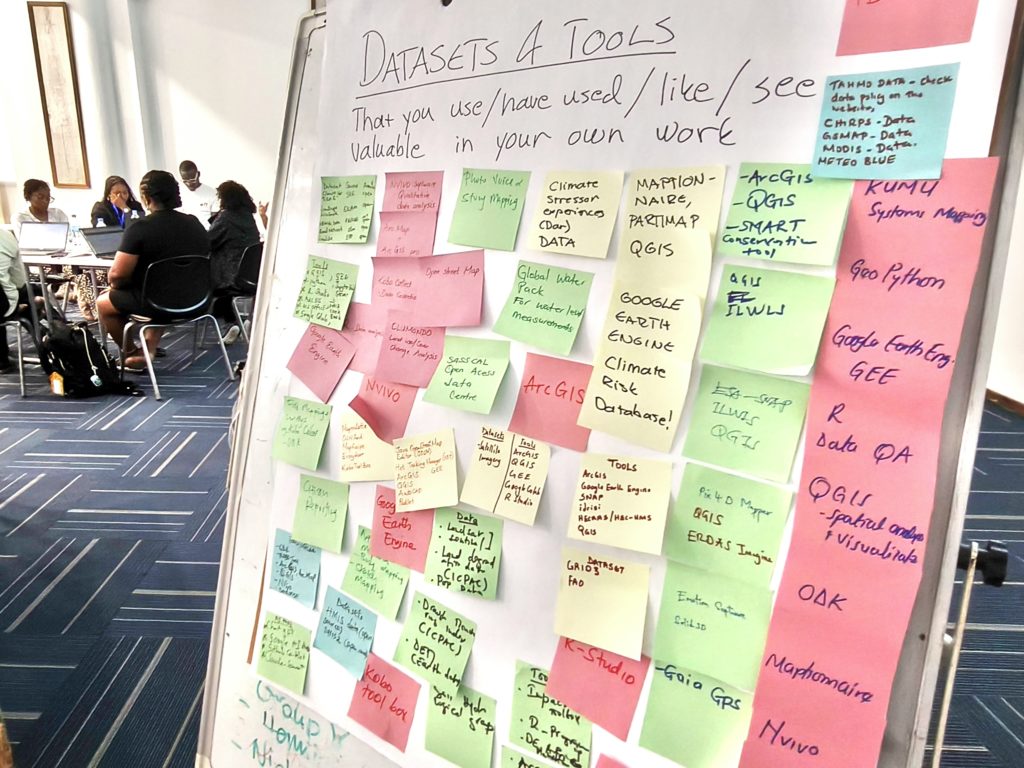
Vastness of workshop participants’ technical skill and availability of data across African regions became concretely visible as participants listed data sources, tools and software they use in their own work. Photo: Venla Aaltonen

Looking forward

The workshop concluded with the launch of a Community of Practice (CoP) for Urban Climate Services in Africa. This network will continue knowledge sharing, collaborative project design, and joint efforts to scale up practical, community-centered climate solutions across African cities. If you wish to join this network, please reach out to us: info(at)kadi-project.eu 

“Together everyone achieves more.” – Handsome Bongani Nyoni, Midlands State University of Zimbabwe

Managing climate risks in cities call for efforts to build climate resilient urban infrastructure: Ensuring good drainage of rainfall water, taking care of natural rivers and streams, protecting and increasing urban greenery, and building with climate-safe materials and techniques. Photo: Andrew Okello


KADI contributes to the Marseille Declaration for strengthened Europe-Africa collaboration

The Marseille Declaration “Strengthening Europe-Africa Cooperation on Climate Change Adaptation” was adopted during the Climate Chance Europe-Africa Summit held on March 31st and April 1st, 2025, organised by the City of Marseille and the NGO Climate Chance.  As an organising partner and signatory of the Marseille Declaration, ICOS ERIC affirmed its commitment to making high-quality data a foundation for equitable, global climate action. 

Bringing together 1500 participants from over 40 countries across Africa and Europe, representing a wide range of non-state actors, the Climate Chance Europe-Africa summit dedicated several of its sessions to reinforcing cooperation with Africa on the crucial issue of climate adaptation.

Collectively drafted, the Marseille Declaration is the first detailed roadmap ever established to strengthen this collaboration. It emphasizes in particular:

–   Scientific cooperation
–   Financial mobilisation and easier access to dedicated tools
–   The key role of local action and forms of housing
–   The importance of economic actors and their networking
–   Solutions combining mitigation and adaptation, such as nature-based solutions.

KADI project goals align closely with the Marseille Declaration

KADI aligns closely with the principles outlined in the Marseille Declaration, as both emphasise the need for strengthened adaptation policies, enhanced Europe-Africa cooperation, inclusive stakeholder engagement in climate resilience efforts and a stronger voice for Africa.

  • KADI supports the integration of scientific knowledge into policy frameworks. This aligns with the Marseille Declaration’s emphasis on enhancing adaptation strategies in Europe and Africa through evidence-based policymaking.
  • KADI fosters cross-continental collaboration using African and European expertise and related networks.
  • KADI’s knowledge-sharing component contributes to the exchange of best practices, mirroring the Declaration’s goal of strengthening cooperation.
  • KADI engages with different stakeholders. The involvement of scientists, businesses, civil society, and local authorities in adaptation strategies is also highlighted by the Marseille Declaration. KADI relies on co-creation, ensuring that local communities and contexts are involved in designing solutions.
  • KADI supports training, ensuring that scientific and non-scientific communities are well-informed and climate-adaptive. This aligns with the Declaration’s push for grassroots engagement in adaptation efforts.

By linking scientific excellence with real-world examples and co-design in the KADI Project, ICOS ERIC supports stronger collaboration between Europe and Africa, and helps ensure that climate policies are grounded in trusted, long-term observation systems,” states KADI project manager Dr. Theresia Bilola. “The Climate Chance Observatory tracks African climate action, while KADI – led by ICOS ERIC – builds towards the observation network to support these actions. Together, they form a pipeline from local observation to continental cooperation and global policy relevance,” Theresia adds.

In a context marked by a sharp decline in public development aid, it was essential for stakeholders engaged in climate issues to speak out, reaffirming both the urgency of the situation and the challenges we must collectively confront. We firmly believe that in a world under strain, cooperation and solidarity are essential responses to prevent the multiplication of conflicts and crises.

Click here to read the Marseilles Declaration in full.

LEAP-RE and KADI joint Webinar: Bridging Data and Action in Africa

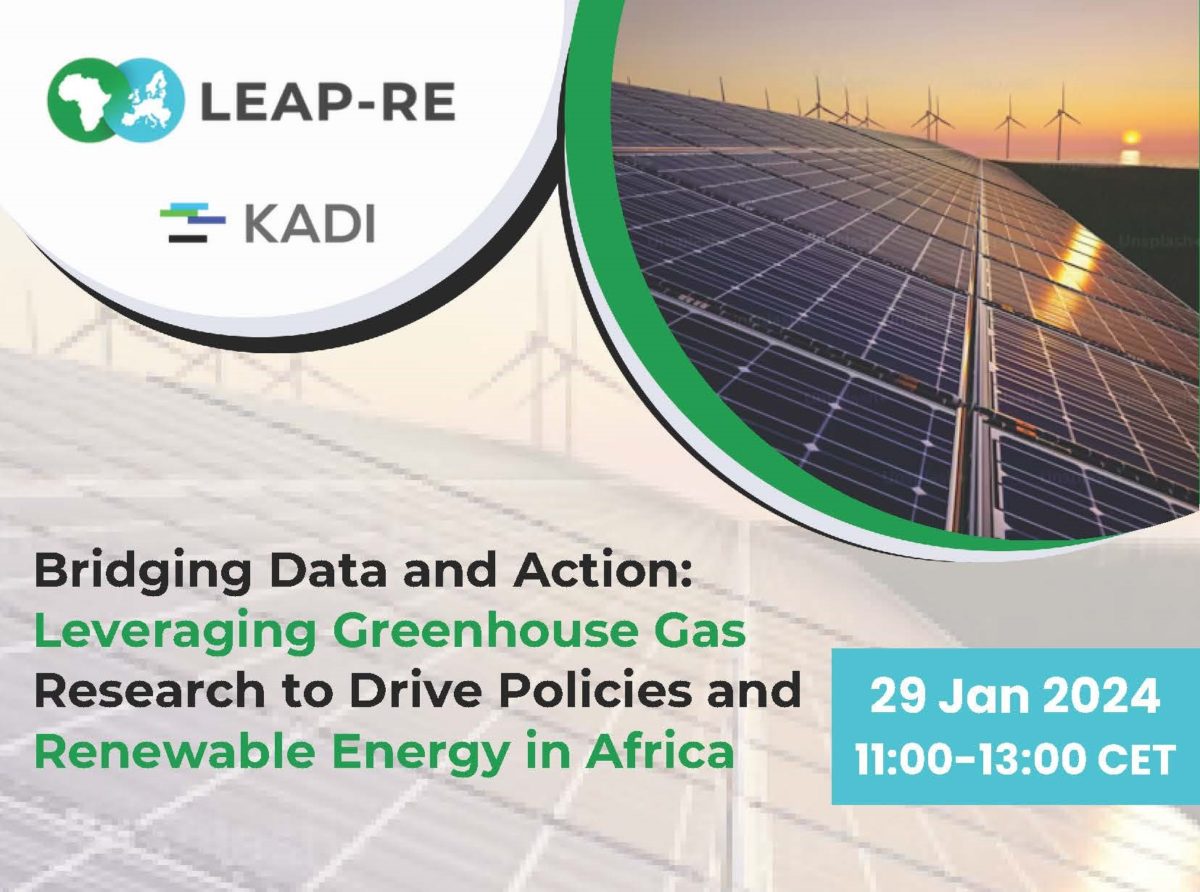
Welcome to the webinar “Bridging Data and Action: Leveraging Greenhouse Gas Research to Drive Policies and Renewable Energy in Africa” on 29th January 2025, 11:00-13:00 CET. This webinar is jointly organised by LEAP-RE programme and the KADI project and is aimed at EU-funded projects addressing climate-related topics in Africa.

The LEAP-RE programme and the KADI project represent pivotal initiatives in tackling climate change and advancing renewable energy solutions across Africa. This webinar explores the intersection of these efforts, highlighting how data-driven strategies can guide policies and innovations critical to achieving sustainable energy and climate service goals. Click here to register.


KADI project facilitating the clustering activities in LEAP RE: Climate change cluster

KADI (Knowledge and climate services from an African Data and research Infrastructure) is a follow up Horizon Europe project to a previous ICOS-coordinated Horizon 2020 project, SEACRIFOG.  In SEACRIFOG, the aim was to carry out a conceptual study of what a greenhouse gas observation network in Africa could look like in order to meet the needs of decision-makers, particularly in terms of food security.  One of the results of the project was an exhaustive inventory of all GHG measurements that already exist on the African continent (https://seacrifog.saeon.ac.za/).

The KADI project extends the objective of SEACRIFOG, but with a slightly ‘reversed’ approach. The starting point is the analysis and definition of the needs expressed in terms of climate services, to deduce what needs to be measured (and how) to obtain a scientifically robust co-designed climate service. The project includes 4 pilots to test these approaches:

  • Cities pilot focusing on challenges specific to urban environments, such as air quality and heat resilience, with Abidjan, Nairobi and Dar-es-Salaam as pilot cities.
  • Coastal Southern Ocean Biogeochemistry pilot, focusing on an area of the world that is particularly important in terms of climate change, but which is also particularly under-observed. The pilot is quantifying key components of the coastal carbon cycle that are relevant to the regulation of climate change and focuses on carbon cycling and other greenhouse gas measurements.
  • African Earth System model pilot aimed at improving a climate model and adapting it to the African context. This entails parameterisations of land-surface characteristics and land-atmosphere fluxes in an Earth System Model.
  • Pilot focused on lessons learned from existing collaboration on long-term atmospheric and ecosystem observations by MET services. In this pilot, KADI assesses the value and derives lessons-learned from the existing long-term climate and atmospheric composition observations provided by national meteorological services, using the collaboration between the Kenyan Meteorological Department with its Swiss counterpart, MeteoSwiss as a case study.

The project also includes a ‘policy cooperation’ dimension, in which the contribution to the Africa-Europe strategy plays an essential role, and an ‘knowledge exchange and training’ component for African and European researchers.

The upcoming webinar is the first step: identifying and engaging with similar existing initiatives from the LEAP-RE programme as well as other related projects such as  Focus-Africa,  Down2EarthCONFER,  ALBATROSS, SAFE4ALL, GMES and Africa, HABITABLE, TEMBO Africa and SINCERE. 

Be part of the dialogue and register by clicking here.

African Research Infrastructure concept review and stakeholder cooperation

Earlier in October, KADI project consortium met up in Nairobi and online for our annual meeting and stakeholder engagement. Two events were hosted at the Regional Centre for Mapping of Resources for Development. Some highlights and the presentations by our experts are shared below.

Review of the proposed concepts for pan-African research infrastructures

On Tuesday October 15th, we hosted a stakeholder workshop and engaged with key stakeholders to review the proposed concepts for pan-African research infrastructures and to explore potential collaborations. The goal is to identify ways to support climate service requirements and incorporate them into a preliminary design for the necessary research infrastructure, providing vital information on variables such as temperature and air pollution levels. The presentations from the day’s programme are listed below (click on the title to open the presentation).


Policy cooperation and networking

On Thursday October 17th, we organised an in person outreach and networking event. The event was part of the policy cooperation activity in KADI, where synergies are sought to support the Africa-Europe strategy.

Keynote from Dr David Muita (KMD/University of Nairobi)
Towards Improving Early Warning Systems in Kenya: Examples from operational and research-based efforts to strengthen Preparedness and Early action

Keynote from Prof. Niina Käyhkö (University of Turku)
Resilience Academy as an urban climate service ecosystem

Urgent need for Research Infrastructures and Climate Services in Africa
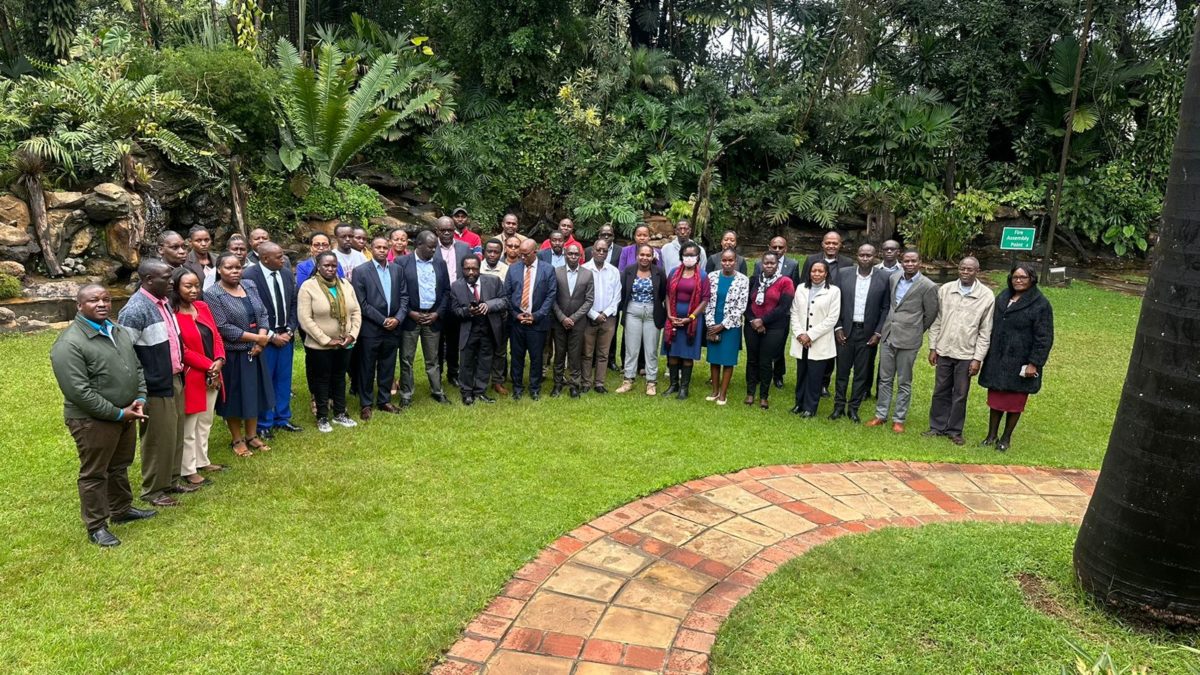
The key messages from the KADI Annual meeting 2024 accentuate key areas of recurring needs in Research Infrastructure (RI) and climate services in Africa. Most are centered on the demand to urgently address issues around coverage sparsity, availability, access, quality and coproduction of observational data. Furthermore, increasing capacity, regional collaboration and cooperation, gender and youth inclusivity, as well as closing funding and RI financing gaps were identified as vital to the sustainability of envisaged RIs.

Understanding user needs and co-producing climate services in Kenya

The KADI project envisions the development of knowledge and co-production of climate services through an African observation and data research infrastructure. Within this framework, the project team in Kenya organised a workshop to bring together stakeholders of weather and climate information provided by the Kenya Meteorological Department for a discussion on how to understand user needs with the aim of co-producing better climate services.

Assessing weather and climate information use in Kenya

The impacts of climate change in Kenya cannot be ignored. Agriculture, a cornerstone of the economy, is particularly vulnerable with climate variability leading to reduced crop yields, food insecurity, and economic instability, especially in arid and semi-arid regions. Water resources are also under threat as changing rainfall patterns affect the availability of freshwater resources. Rising temperatures contribute to the spread of vector-borne diseases like malaria, impacting public health. Additionally, frequent floods and landslides damage infrastructure, disrupt transportation networks, and affect energy production. The Country’s demand for climate services is increasing and becoming more sophisticated, requiring improved technologies and approaches.

According to the Kenya National Bureau of Statistics Economic survey 2024, some key sectors contributing to the Kenyan economy are Agriculture, Construction, Energy, Environment and Natural resources, Health, ICT, Money, Banking and Finance, Transport, Education and training, Tourism, Governance and peace security, Social and Economic. These sectors are vulnerable to climate variance and providing climate information to support decision making will reduce the expected impact to these sectors and overall cushion the economy from adverse shocks. Representation from these sectors was viewed as a key to achieving the workshops objectives.

KADI and its KMD team organised a workshop to bring together various users of climate information services.

The workshop objectives were:

  • Assess weather and climate use through a survey
  • Identify gaps in weather and information use
  • Document weather and climate services in Kenya

With a main mission to improve the uptake of national climate services, the workshop’s intent was also to develop coordination between actors and stakeholders along the country’s climate services value chain. The envisioned value chain includes observations networks & monitoring systems, user interface platforms, research, modelling and prediction, climate services information systems, and capacity building.

Participants for the workshop were drawn from a pool of frequent users of climate information (both forecast and ground data) from the National weather service, Kenya Meteorological Department. Organisation representatives from key sectors in the country were also present.

The feedback received formed a basis of evaluating the service provided, the gaps experienced and recommendations and suggestions to improve the products and services provided by KMD.

Summary of workshop findings

All the participants acknowledged the importance of climate information in their operations. In agriculture for example, weather forms a critical part of their planning from advising farmers on planting weeding to harvest and storage of food including crop insurance. For livestock farming weather assists in fodder availability, destock and input storage. Data as an input is crucial in producing climate information.

Review and recommendation for future expansions of the observation system

Sectors showed support in collaborating to improve and expand the national observation network and system. The energy sector confirmed hosting automatic weather stations at their plants and sites. An expansive station network provides critical data useful for producing climate information. Most participants were agreeable to hosting of observing stations and collaborations in sharing of data.

Requirements for environmental research infrastructure

All participants admitted to the changing climate being a concern in their operations. Most organizations are already setting up climate units to improve the take up of climate information provided by the National Meteorological Service. These units require openly available weather /climate data, capacity building, software and hardware support to enhance their sector specific research.

Emerging frontiers in climate information
  • Investment in research on new technologies such as cloud seeding. What are the possibilities and impacts of such technology in the climate arena. There is also demand for accessible data and information on pollution and GHG.
  • Climate projections and simulations into various sectors e.g. financial and health sectors. Such data should be available in a relatively ingestible format.
  • Conversion of weather data into sector specific implications and use. E.g. Can rainfall data be incorporated into intensity. Sectors can support KMD in knowing what data they want.
  • Research infrastructure involves both soft and hard infrastructure; appreciating social and cultural dimensions in the changing face of science.
Lessons learned
  • Participants appreciated the hybrid format of the workshop. Those unable to travel to the venue could still participate.
  • The Kenya Meteorological Department will coordinate a system that supports the sharing of information and feedback.

Appreciation for the success of the workshop goes to:

  1. TheKADI Project Consortium
  2. The Director of the Kenya Meteorological Department
  3. Kenya Meteorological Department KADI Team:
  • Mr. Kennedy Thiongo
  • Dr. Geoffrey Ogutu
  • Ms. Patricia Nyinguro HSC
  • Dr. Joyce Kimutai
  • Ms. Christine Mahonga
  1. The key organisations who accepted the workshop invitation and sent their representatives.


KADI partners visit the Finnish Meteorological Institute in Helsinki

Earlier in April 2024, KADI partners from the Resilience Academy visited the premises of Finnish Meteorological Institute (FMI) in Helsinki. The FMI is housed on the same building as the ICOS Head Office, therefore this was the ideal opportunity to hear about the FMI’s activities in Africa as well as share ICOS’ work in KADI. The meeting began with an introduction to the work done in ICOS and the work done in KADI. This was followed by presentation of the different projects represented.

The Finnish Meteorological Institute’s regional project FINKERAT aims to increase East African societies’ preparedness for extreme weather events and to improve air quality monitoring in Kenya, Rwanda and Tanzania. The project aims to increase the capacity of meteorological institutes in Kenya, Rwanda and Tanzania to provide more efficient and timely weather forecasts, early warning services and air quality services for the benefit of communities, administrative institutions, the economy and political decision-makers. It develops community-based early warning systems and proactive approaches together with the Finnish Red Cross and the Red Cross Societies in Kenya, Rwanda and Tanzania.

The Climate Risk and Early Warning Systems (CREWS) initiative is a financial mechanism which funds projects in the Least Developed Countries (LDCs) and Small Island Developing States (SIDS) to establish risk-informed early warning services. CREWS is coordinated by the World Meteorological Organization (WMO) and includes Burundi, Kenya, Rwanda, Tanzania, South Sudan and Uganda. CREWS works directly with countries to increase the availability of and access to early warning systems.

Based on the discussions and presentations, the possible areas of collaboration are:

  • Encourage the uptake of KADI’s approach by the WMO. For example by showcasing the Resilience Academy’s approach to climate services and citizen science
  • Develop a common curriculum for climate science.
  • Seek collaboration with the DARAJA project. The aim of the DARAJA project is to co-produce weather and climate information services, which are particularly relevant to urban informal settlement communities in Tanzania (Dar es Salaam) and Kenya (Nairobi).
  • Joint initiatives for scaling up or broadening successful African climate services.
  • Plan for joint activities, for instance at the next KADI Annual meeting.

It has been estimated that improved weather and climate services, and early warning systems may benefit up to 130 million people (directly and indirectly). KADI project is committed to the development of climate services in Africa and to the collaboration with other projects and initiatives in this field.

Stakeholder engagement events in Abidjan, Côte d’Ivoire

In this report, we highlight the stakeholder engagement and partnerships of the Abidjan City Pilot in terms of the roles, resources and expertise that would be useful for the pilot.

In this pilot, the climate service that will be designed is a particulate pollution warning system through a PM2.5 measurements network and an effective communication in collaboration with stakeholders and the local population, using a participatory approach. The stakeholder engagements are related to the different actors who would contribute to this. The pilot will make use of continuous measurements of atmospheric particles (PM2.5 PM10, OC and BC) and gases (SO2, NH3, NO2, O3 and HNO3) at various sites. Three measuring devices (CairNET) have been acquired to reinforce the measurement sites, but several instruments are needed to cover the whole city of Abidjan. The stakeholders who will contribute to setting up the climate service have been identified. Discussions have been started with some of them, including INHP (Institut National d’Hygiène Publique), CIAPOL (Centre Ivoirien Anti-Pollution), SODEXAM (Société d’Exploitation et de Développement Aéroportuaire, Aéronautique et Météorologie) and ANAGED (Agence Nationale de Gestion des déchets). These discussions focus on protocols for co-designing the climate service and on what is expected from the stakeholders. In addition, there are already measurements of particulate matter (PM2.5) and a pollutant dispersion model to be used.

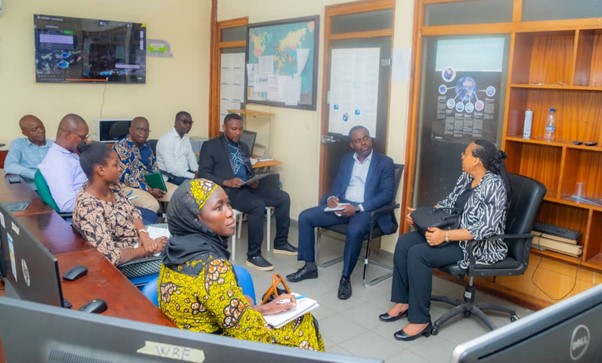
Meeting the representatives of Institut National d’Hygiène Publique (INHP)

In the beginning of February, the KADI team in Abidjan met with the Deputy-director of INHP under the Ministry of Health and Public Hygiene and the discussions focused on the approach and pilot sites.

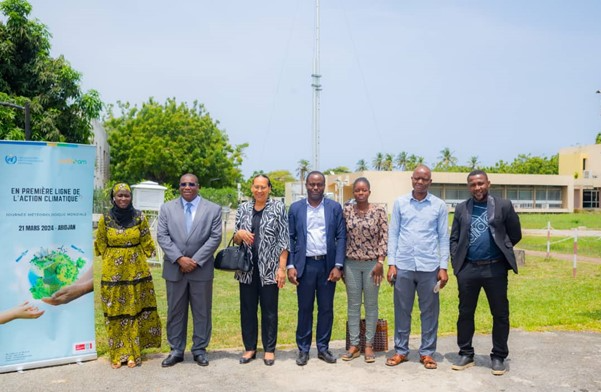
Abidjan team meeting INHP (Institut National d’Hygiène Publique) representatives

The participatory approach involves interacting and working with the inhabitants, local communities and administrative bodies on the project. The INHP trains public health workers to strengthen the system and administers a questionnaire to patients when they visit the health centres. The INHP has a sociological and scientific database as part of the projects piloted by public health in all the dispensaries and CHUs (University Hospital Centres) in the Cocody municipality. This database will be made available to the KADI team and updated with pollution-related aspects.

For this city pilot collaboration, the chosen site is the municipality of Bingerville. It is representative of the city of Abidjan, with high-standard houses as well as precarious neighbourhoods. The KADI team and the INHP team have already carried out several projects on this site.

Strengthening the partnership with Centre Ivoirien Anti-Pollution (CIAPOL)

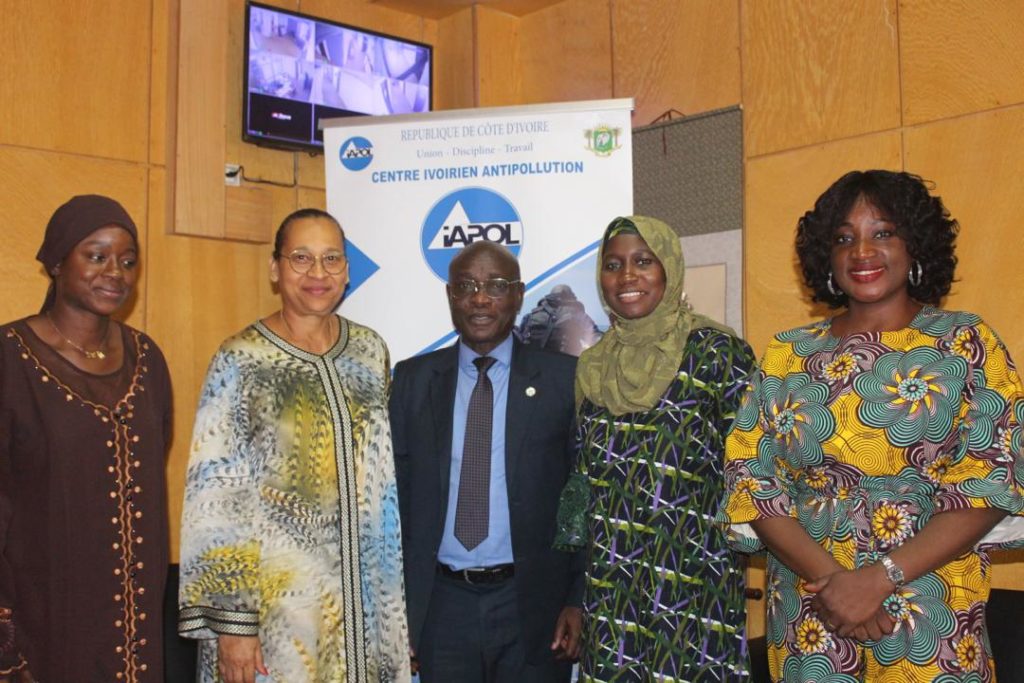
Later in February, the KADI team met with CIAPOL, which oversees the monitoring air quality in Côte d’Ivoire. The discussions focused on the existing partnership with CIAPOL on the monitoring and evaluation of the National Observation Network of Côte d’Ivoire. The CIAPOL team and the KADI team at the UFHB are also working on other projects such as POLLUMETRE, Sustainable Cities and PTUA. CIAPOL can provide data on air pollution in the industrial sector. The UFHB team can merge the data sources to have a more complete database. CIAPOL will also help in the field with the technical aspects of questionnaires and meetings with local people. They will also contribute to dissemination as the national body responsible for air quality. The meeting was followed by the signing of an official letter of agreement for the collaboration.

The KADI Abidjan team meeting CIAPOL

Collaboration with SOCEXAM (Société d’Exploitation et de Développement Aéroportuaire, Aéronautique et Météorologie) on pollution and heatwave modelling

SODEXAM was another one of the stakeholders with whom the Abidjan team met in February. It is the Airport, Aeronautics and Meteorological Operating and Development Company in Côte d’Ivoire. It is responsible for national meteorology, airport operation and development, air navigation and aviation.

The discussion with KADI focused on the climatic and meteorological data needed for our pollutant dispersion monitoring model. Based on SODEXAM’s long experience, the model to be used for air quality forecasting was also discussed. SODEXAM is already providing forecasts on heatwaves in Abidjan which will be a valuable experience to inform the climate service design. The meeting was followed by the signing of a collaboration agreement.

The KADI team at SODEXAM

Tackling residential pollution awareness with ANAGED

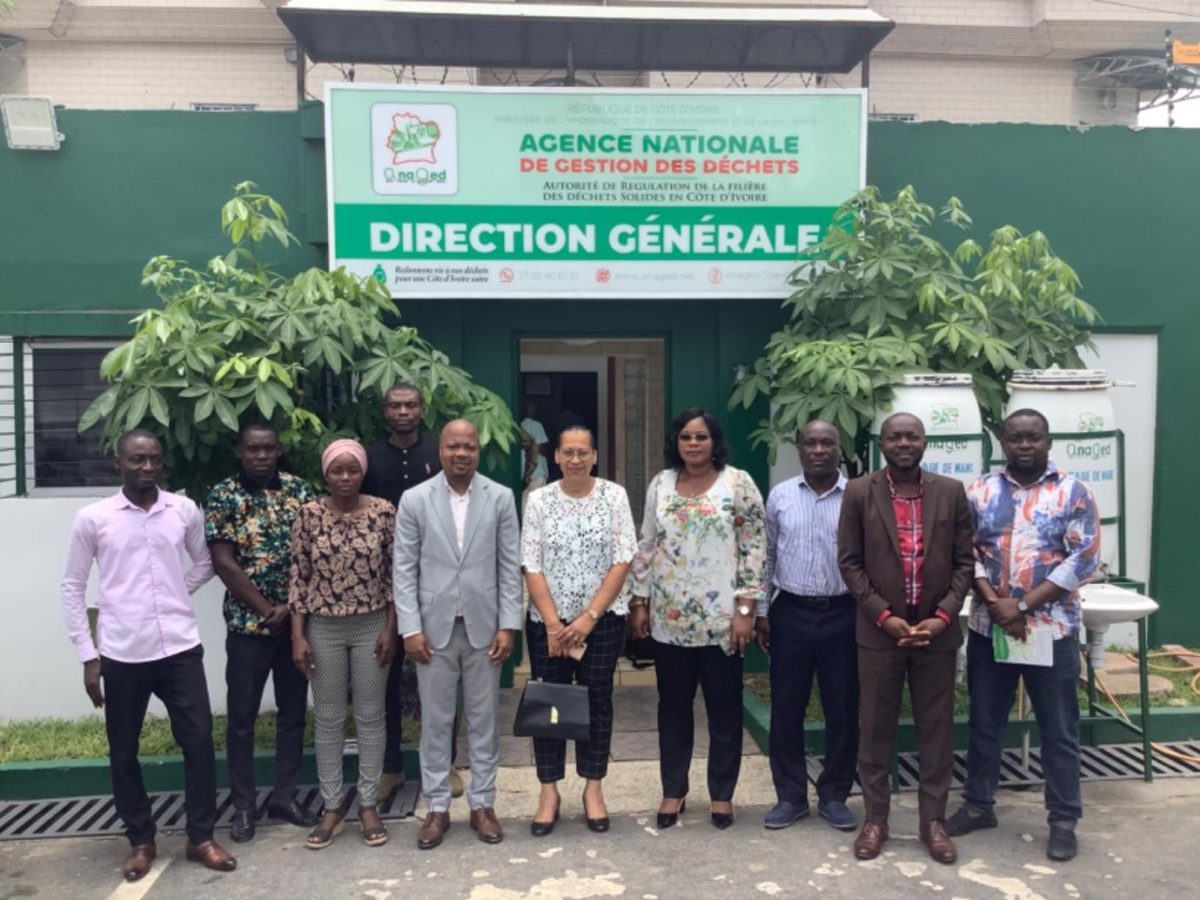
ANAGED (Agence Nationale de Gestion des Déchets) was one of the stakeholders with whom the KADI Abidjan team connected. ANAGED oversees the measures to control and sanction residential pollution. The KADI partners met with directors and their teams, including the Heads of operations, monitoring, regulating, sanctioning and managing all solid wastes, and communication.

The KADI Team with ANAGED
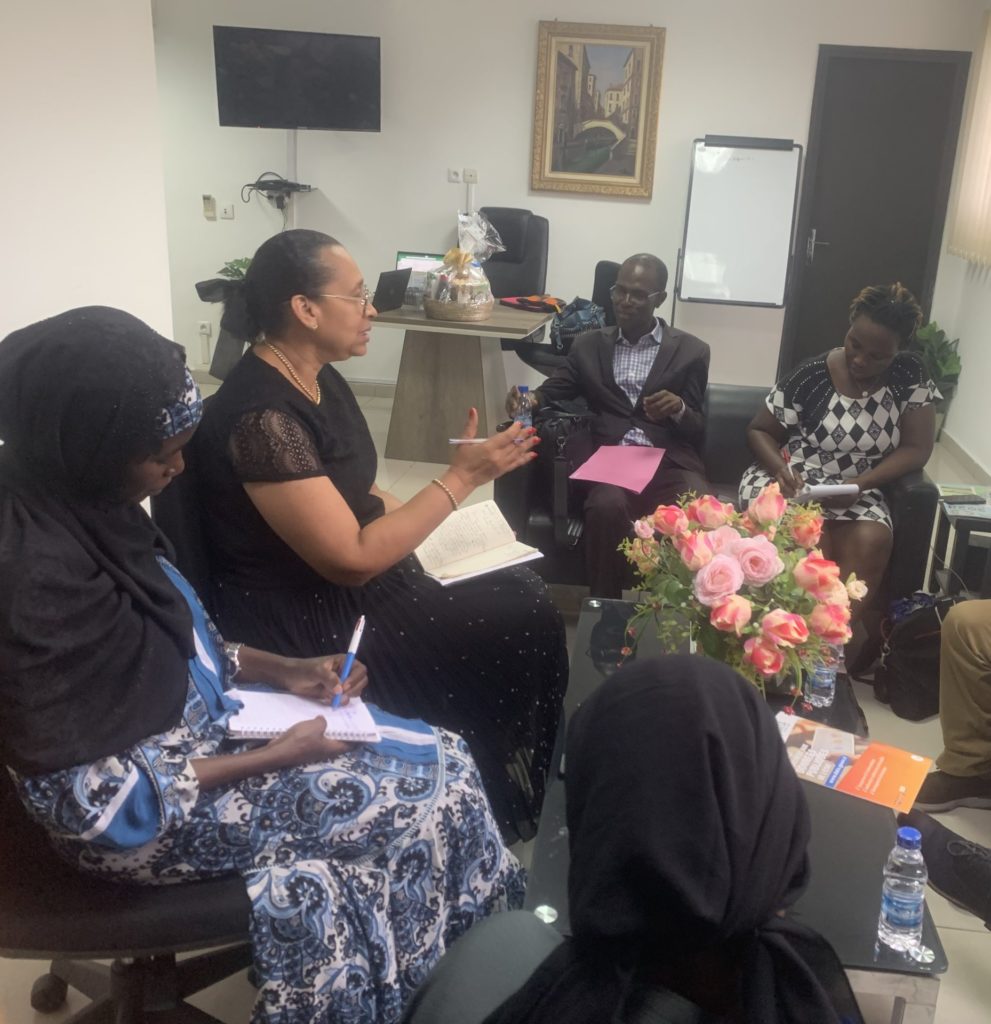
The KADI Team in discussion with ANAGED

The discussion focused on the identification of the different sources of pollution, mainly the residential and domestique sources.  ANAGED agreed to help ensure and take adequate measures and provide evidence of residential pollution. They could help raise awareness of the population on residential pollution and the behavior to adopt to reduce the risk. They could also support the participatory approach and facilitate meetings and interactions with the city inhabitants.

New publication shows Africa’s carbon sink capacity is decreasing

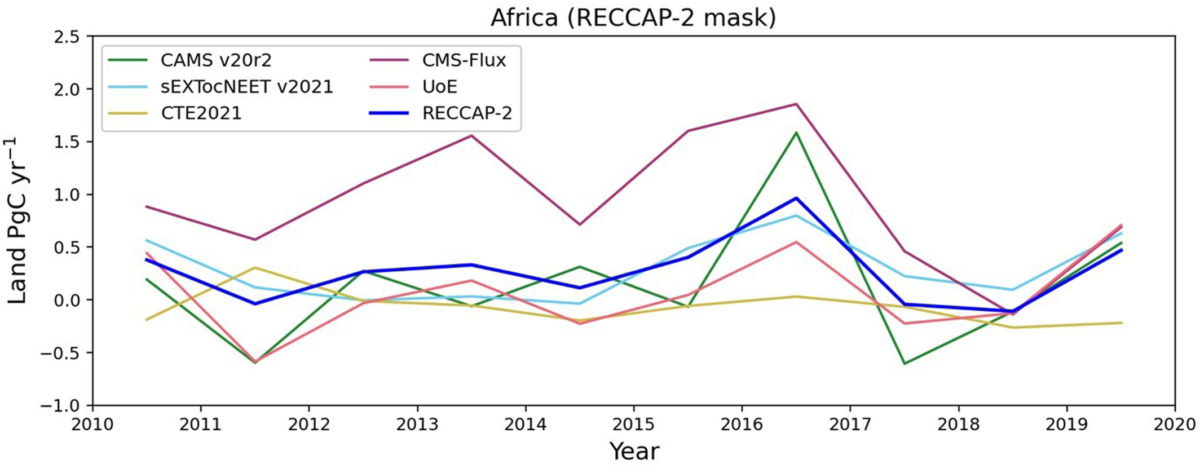
In February 2024, a research article on the African Regional Greenhouse Gases Budget (2010–2019) by Yolandi Ernst and colleagues was published in Global Biochemical Cycles. As part of the Regional Carbon Cycle Assessment and Processes Phase 2 (RECCAP2) initiative of the Global Carbon Project, the paper addresses the policy-relevant objectives of RECCAP2 through a comprehensive overview of improved estimates of CO2, CH4, and N2O fluxes and variability.

The authors show that Africa’s sink capacity is decreasing and that the continent most likely switched from a small net sink to a small net source during the 2010–2019 period. The authors also stressed the importance of more observations to improve the large uncertainties in their estimates.

Currently, Africa is home to approximately 1.4 billion people, with projections indicating a population surge to over 2 billion by 2040. This dramatic increase necessitates extensive land conversion for agricultural production to feed the growing populace and drive economic growth. Concurrently, heavy utilisation of land for grazing, fuelwood, and other natural resources further strains the continent’s ecosystems. There is significant global interest in leveraging African landscapes to store carbon and offset global carbon emissions. However, these efforts are complicated by the competing demands for land and resources.

Understanding Africa’s shifting role in the global carbon cycle requires robust data on carbon-cycle processes and greenhouse gas emissions to accurately quantify the net impact of these competing trends. The full article can be read here.


Some additional perspectives of the KADI Project on carbon markets

A reduction of anthropogenic emissions or a measure to create a carbon sink can be traded. However, it is important to respect some principles. Namely, there must be efforts to create an additional sink that would not be there otherwise. In addition, the sink must be sustained after the measure has ended with monitoring and verification by independent observations.

KADI builds the foundation for an integrated climate observation network. Independent observations cannot be paid for by single projects but require  separate funding (e.g. generated as a fee from each certificate). Independent observations (including models) are needed in the certification system.

Finally, we believe verification of the success of a measure will help avoid fraud and support the development of integrated climate services that underpin solutions with co-benefits and respective policies and initiatives.

KADI cooperates with the African Union

One of the objectives of the KADI project is to support AU-EU policy cooperation. This involves liaising with other AU-EU projects or initiatives.

At the end of January 2024, KADI met with the African Union Commission to discuss collaboration with the  GMES and Africa project. GMES and Africa is for the development of services for water, natural resources, marine and coastal areas, addressing the global needs to manage the environment, and ensure civil security. GMES and Africa is made up of 8 consortia covering 5 regions involving 167 African institutions.

During the meeting, we identified the areas of collaboration in the AU-EU framework are policy, services development, training and knowledge management. Connection through these areas is possible as both projects include these components. For example, the GMES and Africa project includes an academic network of 28-32 African Universities. This type of collaboration will be mutually beneficial for the training components in both projects (and beyond) in terms of knowledge exchange and dissemination related to training opportunities.

In relation to cooperation and knowledge exchange, KADI actively participated in the webinar to commemorate the International Women’s Day 2024. The event was organised on March 7th by Women in GMES and Africa with the theme, ‘African women at the heart of climate action’.

“In its bid to enhance the opportunities from combining satellite and in-situ earth observation data in Africa, KADI actively engages with different actors and initiatives that focus on these.” said Dr. Theresia Bilola, the project manager of KADI. “Engaging with GMES and Africa presents an opportunity to strengthen and support AU-EU cooperation in earth observation using approaches that recognise and benefit from new and already existing expertise”, she added.

We are looking forward to more collaboration in the upcoming months though:

  • Connecting the training components of both projects for collaboration.
  • Collaborating in relation to the regional, continental and thematic workshops.
  • Inviting, participating and disseminating information about both projects.
  • Collaborating on the GMES and Africa joint workshop which targets a variety of stakeholders in relation to land use, water, natural resources, policy makers and service users.

Do you wish to collaborate with the KADI project? Feel free to contact us!